Carlo Hoffmann · 30 September 2026
Delwyn's Public Amenities Adapt to Support Broader Resident Wellness Goals
Delwyn has directed resources toward public amenities that address physical activity, mental health access, and social connection across multiple sites, and city records show these changes align with resident wellness priorities established in prior planning documents. Parks, libraries, and community centers have received modifications that include extended pathways, quiet zones, and program schedules updated to accommodate varied work and family routines, while data from local usage reports indicate increased foot traffic at several locations since the start of the current fiscal year.
Park and Trail Modifications
Trail networks in Delwyn's central and east-side parks now feature measured walking loops with signage that lists distance and elevation, and maintenance crews completed the additions ahead of the summer season. Benches placed at regular intervals include armrests designed for easier standing, and lighting upgrades allow safe evening use along primary routes. City planning documents note that these features respond to requests collected during community forums held the previous year, and participation logs show steady increases in group walks organized by neighborhood associations.
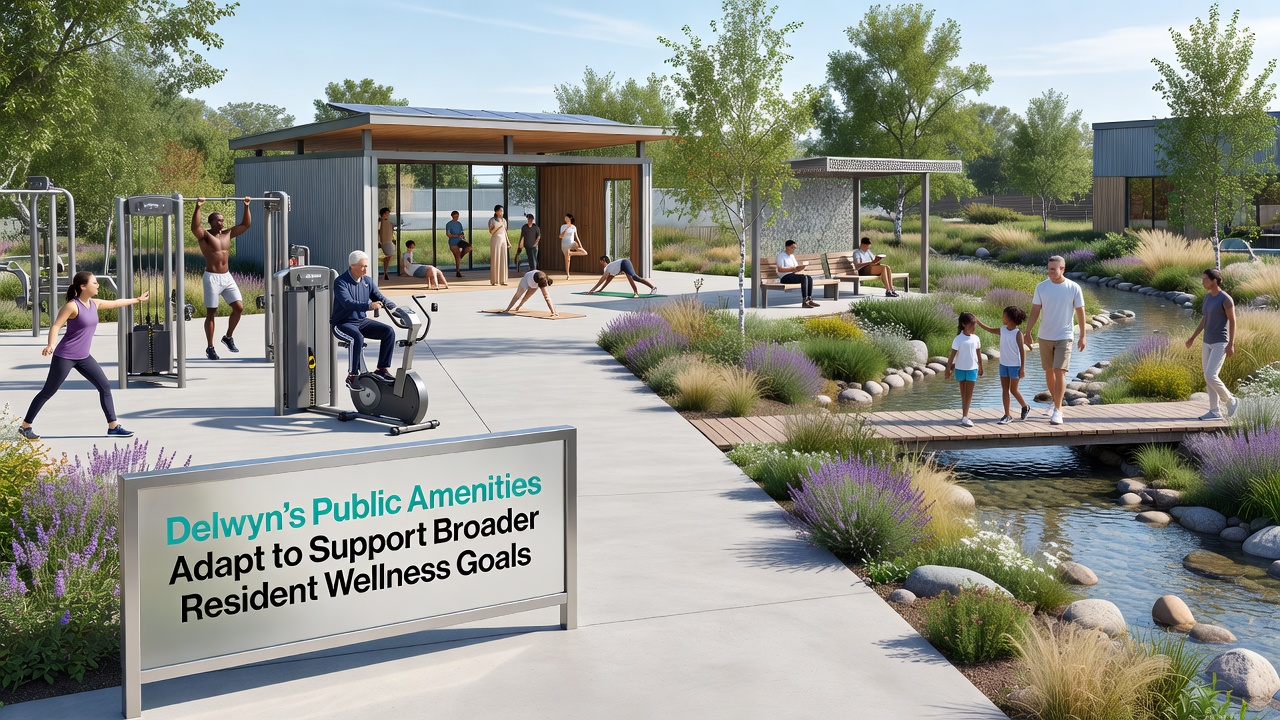
Additional plantings along trail edges consist of native species selected for low water needs and seasonal color, which also create shaded segments during warmer months. Observers note that these plantings support local pollinator activity, and maintenance reports confirm reduced irrigation requirements compared with previous landscaping. Equipment stations for bodyweight exercises appear at three park entrances, each accompanied by instructional plaques that explain basic movements without requiring specialized gear.
Library and Community Center Program Shifts
Delwyn's main library branch introduced dedicated wellness resource areas that stock printed materials on nutrition, stress management, and chronic condition self-care, and staff have reported higher circulation of these titles since the displays were installed. Quiet reading rooms now include adjustable lighting and noise-reducing panels, while checkout data reveal that patrons use these spaces for longer periods than before the changes. Community centers added weekly sessions focused on movement and mindfulness, with registration handled through an online portal that tracks attendance patterns across age groups.
Nutrition workshops held at the north community center draw participants who receive guidance on meal planning using local produce, and session summaries indicate repeat attendance from the same households. Partnerships with nearby clinics allow periodic health screening events at these facilities, and scheduling records show events booked through the end of the calendar year. Library staff have also expanded digital lending options for wellness-related audiobooks and apps, which aligns with usage statistics that track rising downloads of health content.
September 2026 Initiative Rollout
Plans call for a coordinated opening of new amenity features in September 2026, including an expanded meditation garden at Riverside Park and extended evening hours at three community centers. City calendars list the start date as September 8, with ribbon-cutting events scheduled across multiple sites on the same weekend. Funding for these additions comes from a combination of municipal bonds and grants awarded earlier in the year, and project timelines published by the public works department confirm construction milestones met to date.
Research from the Centers for Disease Control and Prevention on built environment features and physical activity levels provides context for the timeline, while figures from the Australian Institute of Health and Welfare highlight similar amenity adaptations in comparable communities. Delwyn officials have referenced these sources during public briefings to explain design choices, and attendance projections for the September events draw on historical turnout data from prior facility openings.
Accessibility and Data Tracking
Accessibility upgrades include ramp installations at previously limited entrances and tactile wayfinding strips along main pathways, and compliance reports filed with state agencies confirm adherence to current standards. Digital kiosks at major sites allow residents to log visits and provide feedback on amenity conditions, which feeds into quarterly usage summaries released by the parks department. These summaries show that facilities with recent modifications have recorded higher visit counts across demographic categories tracked in the system.
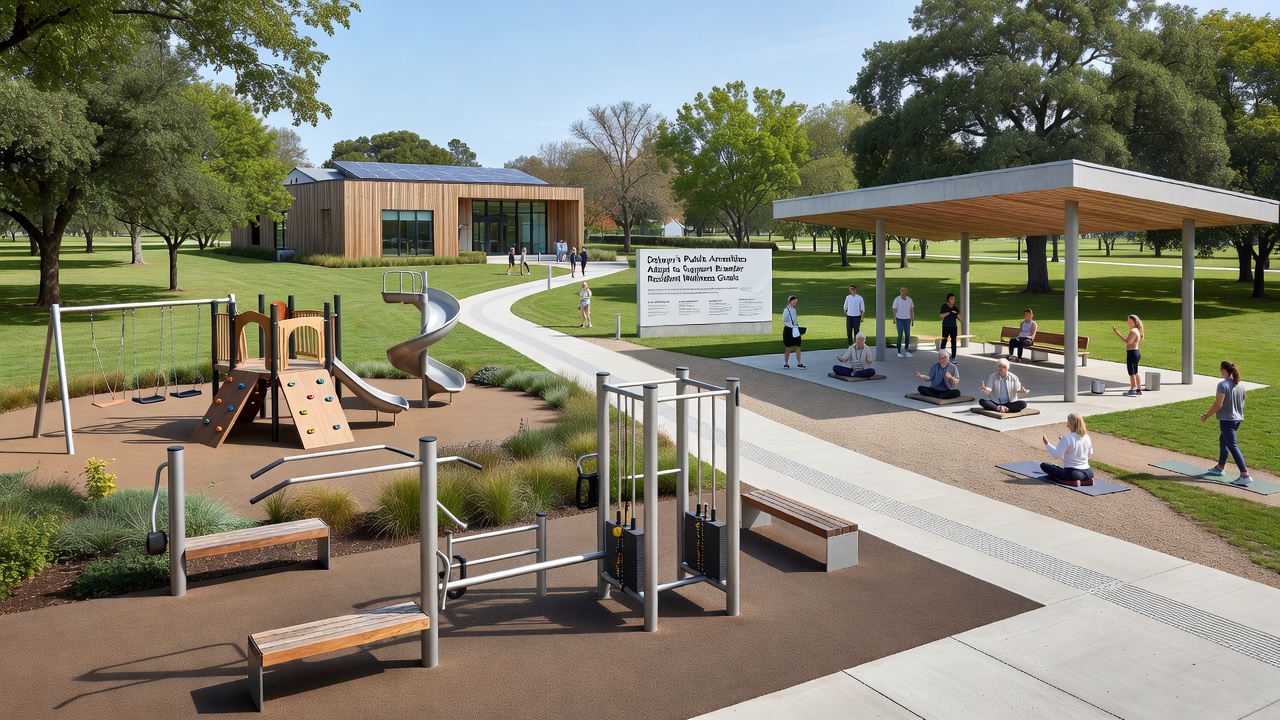
Water refill stations added at trailheads and facility entrances reduce reliance on single-use bottles, and inventory logs indicate consistent daily use. Shade structures over playground equipment and seating areas appear in updated site plans, with materials chosen for durability in local climate conditions. Maintenance schedules now incorporate monthly inspections of wellness-related installations to ensure continued functionality.
Conclusion
Delwyn's public amenities continue to evolve through targeted modifications that connect facility design with documented resident wellness objectives, and records indicate ongoing monitoring of usage and satisfaction metrics. The September 2026 rollout represents the next phase of these efforts, with completion dates tied to existing project timelines and funding allocations. City departments maintain public dashboards that display participation data and project updates, allowing residents to follow progress across sites.